

Prevention Point Philadelphia (PPP), a leading public health and social service non-profit in Philadelphia, releases its 2026 impact data, reflecting major achievements across drug treatment, housing (especially the integration of medical services embedded with housing), overdose prevention, medical care, and social services. Silvana Mazzella, PPP Lead Executive Officer, revealed the numbers from the 2025–26 fiscal year, which concluded on June 30, 2026. The data show increases in HIV prevention and treatment, as well as in the use of long-acting injectable medications for HIV care and prevention, and substantial growth for substance use treatment. Among the year’s most significant achievements was the successful integration of housing and medical services under one roof, resulting in stronger outcomes for Prevention Point participants.
Integrated Medical Care and Housing Services
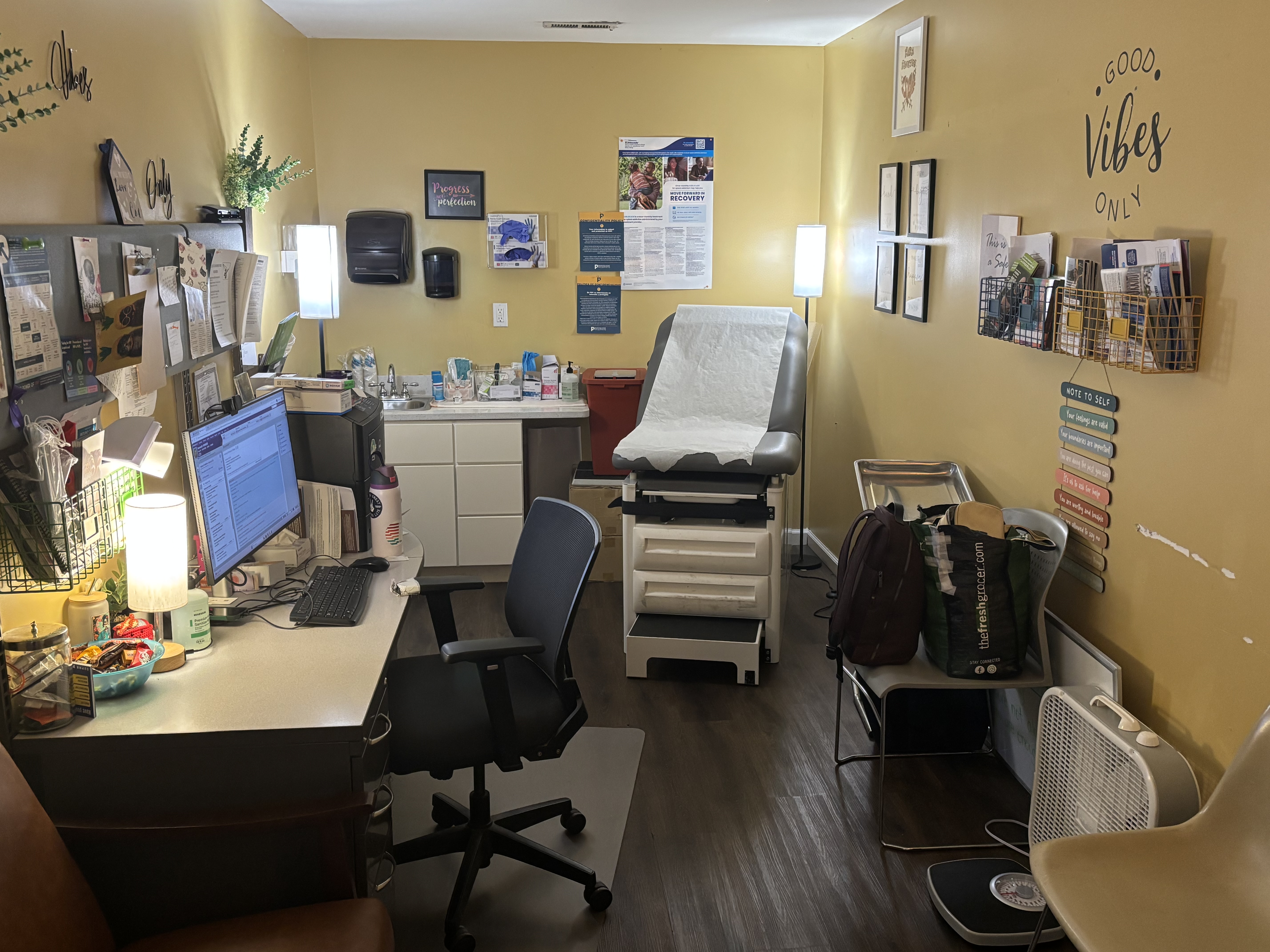
Two years ago, Prevention Point helped launch a visionary model that integrates safe haven housing, medical care, case management, behavioral health, and recovery services under one roof at Philly Home at Girard. Created under the leadership of the City of Philadelphia and in partnership with Project HOME and Warren E. Smith, the low-barrier safe haven provides intensive, wraparound support for people who have experienced chronic homelessness and face complex medical and behavioral health needs. With PPP’s clinic open 12 hours a day, five days a week, and just an elevator ride from residents’ rooms, participants can access medical providers, case managers, behavioral health professionals, and Certified Recovery Specialists without navigating multiple systems or even leaving the building. The model is producing remarkable results, with residents engaging in medical care – often for the first time in years – while receiving support to address substance use, chronic health conditions, mental health concerns, and other unmet needs. And that support continues beyond the safe haven, as PPP staff help residents prepare for permanent housing and provide ongoing assistance during the critical transition to independent living.
Mazzella shared, “Every day, we see what becomes possible when people are given not just a bed, but the support, dignity, and compassionate care they deserve. At Philly Home at Girard, residents can address medical needs and build healthy relationships while taking meaningful steps toward recovery and permanent housing. Most importantly, they have a warm, welcoming place to come home to while they work toward the futures they want for themselves.”
Long-Acting Injectable Medication Pioneers
“Prevention Point Philadelphia has been a pioneer in the use of long-acting injectable medications for Medication for Opioid Use Disorder (MOUD), and our experience has allowed us to continually evolve how we deliver this treatment to make it accessible to anyone who wants to pursue recovery,” said Mazzella. “The strong adherence we’re seeing reflects not only our clinical innovation, but also the way we have integrated medical care, case management, and navigation services across the organization. By supporting participants from the moment they walk through our doors and throughout their treatment journey, we’re removing barriers to care and creating a stronger pathway to recovery.”
Long-acting injectable medications in a largely unhoused population are game changers for people who use drugs (PWUD). Prevention Point staff introduce medications that can be administered monthly or six times a year like PrEP to prevent HIV, or for HIV treatment. Once participants are used to receiving occasional injections, PPP’s clinic encourages participants to try injectable MOUD, which is a once-a-month medication, as opposed to oral forms of MOUD that need to be taken daily.
Highlights from the 2025–26 fiscal year (ending June 30, 2026):
The data reflect PPP’s continued commitment to meeting people where they are and offering pathways to the services they need, from basic necessities and prevention to medical care, housing, drug treatment, and recovery. PPP provides a comprehensive and compassionate suite of services in a community-based setting, creating opportunities for people to access care, build stability, and move forward when they are ready. The following highlights from FY 2026 demonstrate both the scale of PPP’s reach and the impact of its approach to care.
- 7,690 onsite medical visits at PPP’s emergency shelter and safe haven facilities, a 128% increase over last year
- 417 people received emergency shelter or safe haven at one of 159 beds across two locations
- 2,479 drug treatment visits for 450 patients, including 1,890 long-acting MOUD injections (DOUBLED over last year) that expand access to once-monthly and bi-weekly treatment options
- 1,773 HIV tests administered, a 14% increase, along with 1,294 PrEP prescriptions provided to 499 patients, a 56% increase, and 951 doses of long-acting injectable PrEP
- 106,113 doses of Narcan distributed, marking the third consecutive year providing more than 100,000 doses, along with 2,103 people trained to recognize and reverse overdoses, a 61% increase over last year
- 21,056 social services provided by PPP case managers, an 84% increase over last year, along with 4,145 navigator encounters connecting participants to services
PPP also hosted a series of special events throughout the year to spotlight awareness and draw community members to the services available.
- For September’s National Recovery Month in 2025, PPP hosted its second annual Recover & Thrive: Celebrate Recovery Month featuring inspiring stories from community members in recovery, essential resources for those seeking help, and informative treatment demonstrations.
- For National HIV Testing Day in June 2026, PPP provided HIV tests to 53 participants and community members in one afternoon, and Philadelphia City Councilmember Nicolas O’Rourke took an HIV test in front of the crowd and media in attendance to demonstrate how easy HIV testing is.
- The Women’s Health Month Event in May 2026 highlighted women’s health services at Prevention Point and partner organizations with resources for health, wellness, hygiene, and beauty.
- In August 2025, PPP filled 260 backpacks with school supplies and distributed them to Kensington families during an event filled with food, face-painting, music, water ice, misters, games, and giveaways.
Here is a closer look at Prevention Point’s services and impactful data:
Homeless Services and Integrated Medical Care
Housing remains a cornerstone of PPP’s services, providing emergency shelter, safe haven, and homeless outreach services as well as referrals to permanent housing and other social services. Beacon House, the emergency shelter just a few blocks from Prevention Point’s main building in Kensington, provides specifically tailored shelter services to PWUD with personalized, on-site case management for each resident. PPP’s second location is a part of a group initiative begun two years ago with the City of Philadelphia, Project HOME, Warren E. Smith, and PPP: Philly Home at Girard. Philly Home at Girard (PHG) is a low-barrier safe haven designed for people who have struggled to find stability and a path forward elsewhere. The safe haven provides intensive wraparound care for residents with complex medical and behavioral health needs, and even welcomes couples and pets. Most importantly, medical care, case management, residential services, and recovery services are integrated under one roof – a model not often seen elsewhere.
This integrated model of uniting medical care with safe haven and emergency shelter facilities allowed PPP to provide 7,690 total onsite medical visits in PPP’s emergency shelter and safe haven facilities in the past fiscal year. Of those, 7,219 were onsite medical visits at PHG, a 128% increase over last year, and 471 medical visits were on site at Beacon House. The 16 full-time medical staff at PHG also provided 519 MOUD injectable treatments in their clinic this year.
PPP’s homeless services, operating at two sites in the city, provided 159 beds for 417 people at its emergency shelter or safe-haven. Its team had 4,969 interactions with people experiencing homelessness – an 18% increase from the previous year – to help determine housing eligibility and distribute essential survival supplies. These efforts resulted in 530 placements to emergency shelter or safe havens, while 40 individuals ultimately transitioned into permanent housing.
Drug Treatment & Recovery
PPP’s Medication for Opioid Use Disorder (MOUD) program continued to provide an extensive number of treatments, with 2,479 visits and 450 patients in ongoing care. The program delivered 1,890 long-acting injections such as Sublocade and Brixadi, helping individuals stabilize on treatment with once-a-month care. It is important to note that the long-acting injections doubled from the previous year. This program’s impact showcases this model of once-a-month (or bi-weekly) injection as a highly effective form of treatment, helping PWUD manage their opioid use disorder while also accessing wraparound care at the same intervals. PPP also made 979 referrals for drug treatment, expanding pathways to recovery.
Medical Services - HIV Prevention and Treatment
Medical services at PPP include HIV testing, prevention, and treatment in addition to primary care for those living with HIV. This year, PPP staff administered 1,773 HIV tests, a 14% increase from the previous year. Ninety-eight patients living with HIV received ongoing care across 1,404 visits, while 73 patients received primary care and HIV treatment, 60 of whom achieved viral suppression. The medical team also provided 1,294 PrEP prescriptions to 499 patients to reduce the risk of HIV – a 56% increase over the prior year – and administered 951 doses of long-acting injectable PrEP. A huge achievement is that no participant who began PrEP became HIV-positive, for the fourth consecutive year.
Medical Services - Other
PPP medical services also include wound treatment, and Hepatitis testing and treatment. The clinic served 423 wound-care patients, a 24% increase from last year, who made a total of 590 visits. The prevention team also performed 1,126 Hepatitis C tests, up 38%, and provided 158 Hepatitis C prescriptions, a 61% increase over last year.
Prevention Services
PPP understands the role of prevention in meeting people where they are, and part of that is keeping people alive until they are ready for treatment and recovery. This year, PPP distributed 106,113 free doses of Narcan, marking the third consecutive year of providing more than 100,000 doses annually. The staff trained 2,103 people to recognize and reverse overdoses, a 61% increase from the prior year. In addition, 6,285 individuals accessed HIV-prevention services and supplies, and took advantage of 41,723 fentanyl, medetomidine, and xylazine test strips.
Social Services
PPP case managers provided 21,056 social services, an 84% increase from the previous year, while navigators had 4,145 encounters with participants to help connect them to needed services both within the organization and in the broader community. The PPP post office provided 7,253 mailboxes for people experiencing housing insecurity, a 5% increase. The team made 5,982 referrals to other social-service organizations. PPP also distributed 38,420 free meals, provided 219 legal services – a 117% increase – and issued 426 state identification cards. PPP’s free public restroom, a vital community service, was utilized 4,296 times, a 17% increase. PPP’s Drop-In Center welcomed 25,819 visits, also providing seasonal warming and cooling centers when extreme weather hit the city.
Community Engagement
PPP is deeply committed to improving the quality of life for its neighbors in Kensington. In FY 2026, PPP’s staff delivered 2,150 monthly groceries to 85 Kensington neighbors – more than double the prior year’s total. PPP also distributed 260 backpacks filled with school supplies to Kensington children at a back-to-school event last summer. Reflecting its deep community ties, 27% of PPP staff live in Kensington. PPP volunteers donated 8,535 hours of service, a 165% increase from the previous year. On Wednesday evenings, PPP opens its doors for a weekly Womxn’s Night, which welcomed 2,576 visits this year.
Impact Numbers
INTEGRATED MEDICAL AND HOUSING SERVICES
7,690 total onsite medical visits in PPP’s emergency shelter and safe haven facilities (128% increase over last year)
7,219 onsite medical visits at Philly Home at Girard (PHG)
471 onsite medical visits at Beacon House
- 519 MOUD injectable treatments provided at PHG
- 16 full-time medical staff at PHG
HOMELESS SERVICES
159 emergency shelter beds
- Provided emergency shelter or safe haven to 417 people
- 40 individuals transitioned to permanent housing
- 4,969 interactions with individuals experiencing homelessness to aid in their eligibility for housing and provide survival supplies (18% increase over last year)
- 530 placements to emergency shelter or safe haven
DRUG TREATMENT & RECOVERY
2,479 visits to receive Medication for Opioid Use Disorder (MOUD) (5% increase over last year)
- 979 referrals for drug treatment
- 450 individual patients treated in PPP’s MOUD clinics
- 1,890 long-acting injections provided (doubled over last year)
MEDICAL SERVICES - HIV PREVENTION AND TREATMENT
1,773 HIV tests (14% increase over last year)
- 98 patients living with HIV in ongoing care visited 1,404 times
- 73 patients received primary care and treatment for HIV with 60 of them successfully suppressing their HIV
- 499 patients received 1,294 PrEP (pre-exposure prophylaxis) prescriptions (56% increase over last year) to prevent HIV
- 0 participants who started PrEP became HIV+, for the fourth consecutive year
- 951 PrEP medications administered as a long-acting injection
MEDICAL SERVICES - OTHER
423 wound care patients (24% increase over last year) visited 590 times
- 1,126 Hepatitis C tests (38% increase over last year)
- 158 Hepatitis C prescriptions (61% increase over last year)
PREVENTION SERVICES
106,113 free doses of Narcan distributed (third consecutive year distributing over 100,000 doses)
- 2,103 people trained to reverse overdoses (61% increase over last year)
- 6,285 individuals accessed HIV prevention services and supplies
- 41,723 test strips (fentanyl, medetomidine, xylazine)
SOCIAL SERVICES
21,056 social services (case management services) provided (84% increase over last year)
- 4,145 encounters with participants guiding them to services
- 7,253 mailboxes for individuals experiencing housing insecurity (5% increase over last year)
- 5,982 referrals for social services to other organizations
- 38,420 free meals distributed
- 4,296 public restroom uses (17% increase over last year)
- 219 legal services provided (117% increase over last year)
- 25,819 visits to the Drop-In Center
- 426 state identifications issued
COMMUNITY ENGAGEMENT
8,535 hours donated by volunteers (165% increase over last year)
- 2,150 monthly grocery deliveries to 85 Kensington neighbors (deliveries doubled over last year)
- 2,576 visits to Wednesday Womxn’s Nights
- 260 backpacks with school supplies distributed to Kensington children
- 27% of PPP staff live in Kensington