

Jessica learned about Prevention Point Philadelphia (PPP) in 2020 when someone else living on the Kensington streets told her about its HIV prevention services. She and her friend were using drugs intravenously several hundred times a week—Jessica knew they were at risk.
At that point, she’d been using illicit substances for a decade, and had no plans to stop. Still, she started utilizing PPP’s other services, starting with the hot chocolate offered in winter. Soon, Jessica was also receiving food and clothing from the nonprofit and charging her phone and computer in its drop-in center.
“I was always nervous about asking for stuff,” she says. “I was like, ‘Are you sure this is okay? Do I have to pay? I can give you $1.’ It was weird to use their electricity without giving something in exchange.”
PPP staff members working outside also allowed her to use the bathroom.
“They were really nice to me,” she says. “They made me feel safe.”
Jessica has some training in health care, so she usually took care of her own wounds. This was the early 2020s, when xylazine was rapidly contaminating the illicit drug supply. Soon, Jessica had severe wounds on her arms. In one area, she says, the wound had infected her arm down to the bone. She sought treatment at PPP’s wound care clinic “at least 10 times to get my arm wrapped and cleaned up.”
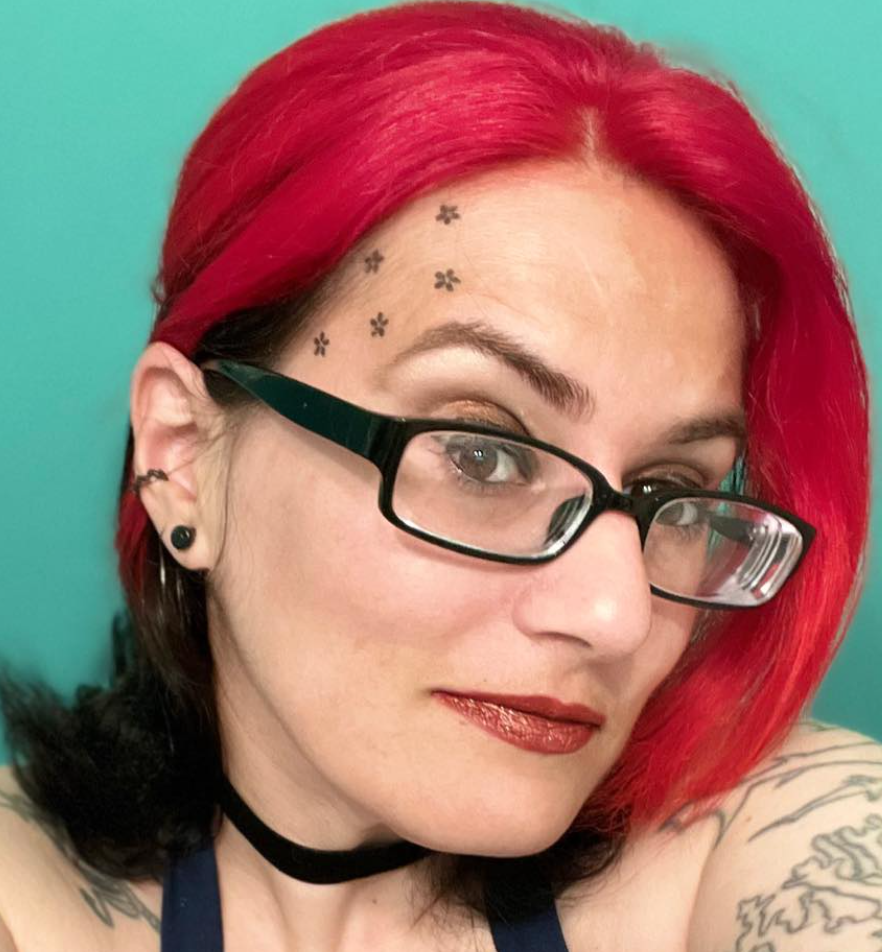
“I really didn’t care, you know? I was like, ‘Okay, I’m gonna die anyway,’” she says.
A traumatic event changed her perspective. In the spring of 2023, Jessica was forcibly held inside a Kensington home by people she didn’t know. When it became clear she was gravely ill, they tossed her out onto the streets. She was only two blocks from her normal street corner, but she was totally disoriented.
Jessica remembers crawling to the Esperanza Health Center at Kensington and Allegheny Avenues and asking someone to call her mom. Three hours later, her mother and stepfather arrived at the center from New Jersey.
“I was sitting out front, but they didn’t recognize me because I looked so bad,” she says. She was immediately admitted to a hospital and found to have osteomyelitis, endocarditis, cellulitis, and hepatitis C. At one point, doctors considered amputating both of her arms and a leg. They ultimately decided not to, but the scars on her arms are a testament to how badly they’d been infected.
After about 10 days in the hospital, Jessica began the long journey toward reclaiming her life. Sublocade helped her beat back opioids. She started taking community college classes. During the 13 years she’d used addictive substances, the longest time she’d gone without using was 34 days.
On May 9, she’ll mark three years of sobriety. “I have not gone back,” she says. “I have no cravings. I don’t think, ‘Now would be a good time to get high’ when I’ve had a bad day. I’m doing a lot better than I thought I would.”
Since 2024, Jessica has been studying at Stockton State University, majoring in marine biology. Working with sea creatures has been her passion ever since she saw a television show on sharks when she was five years old.
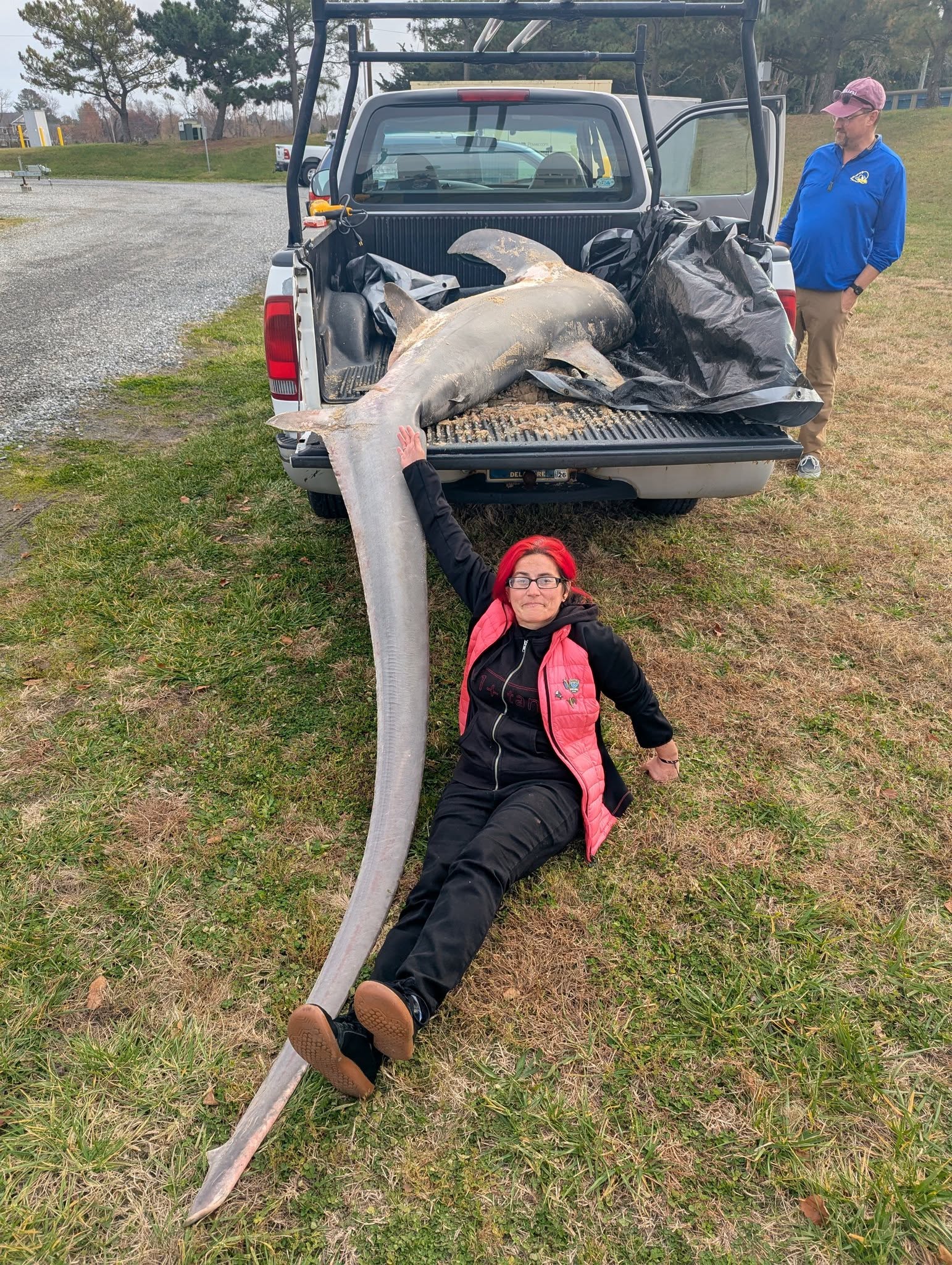
“There’s more math and writing than I thought and a lot less sharks,” she jokes of her studies. She’s recently interviewed for competitive jobs in her field, but she’d like to go to graduate school first, focusing on research and captive animal husbandry.
Today’s Jessica bears no resemblance to the Jessica who lived on the streets while waiting to die.
“Three years ago, I was dying in the gutter,” she says. “I didn’t realize (life) could be good, and it can. I’m happy now.”